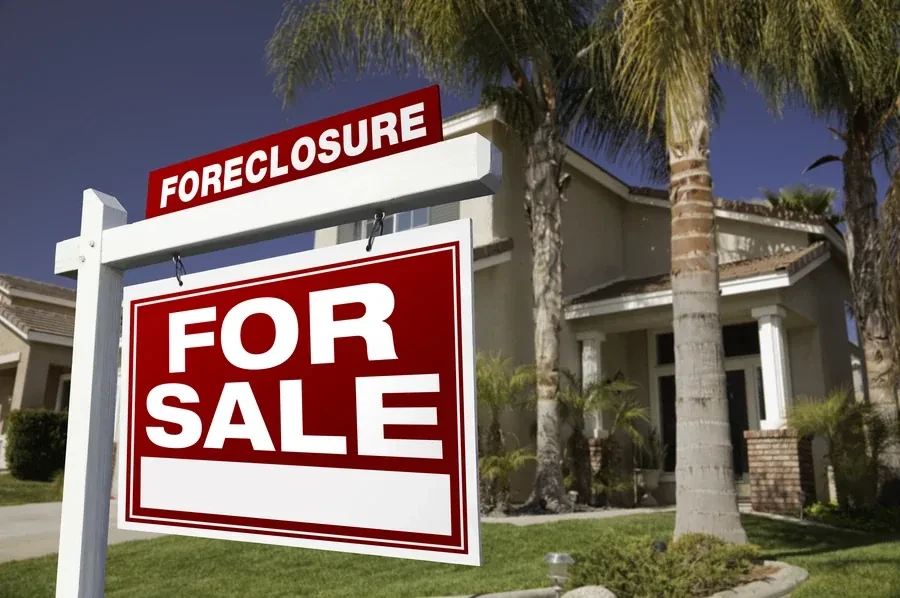
Foreclosures in Tampa can carry title problems a regular sale doesn't, like surviving liens, parties the lawsuit missed and unpaid code fines. The Hillsborough County Clerk's foreclosure sales page tells bidders at its online auction to do their own research on liens, so buying bank-owned after the sale, with a title commitment in hand, is usually cleaner.
Auction Purchase Versus Bank-Owned
There are two main ways to buy a foreclosure. At the foreclosure auction, the winning bidder pays and the clerk later issues a certificate of title under the court's process, and you're buying what the judgment conveys with no title commitment, no inspection period and no seller warranty. In Hillsborough, the Clerk runs these sales online every weekday at 10 a.m. and says it can't advise bidders on outstanding liens or encumbrances.
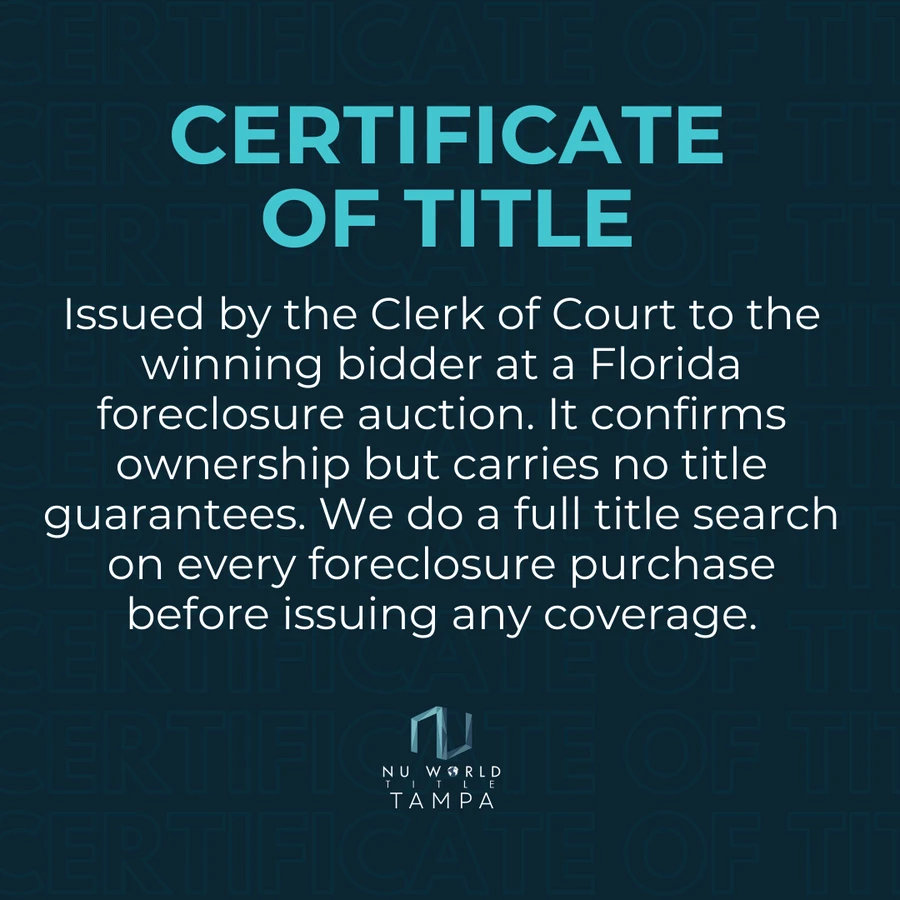
A bank-owned home, often called an REO, is one the lender took back at auction and now sells like any other listing. You get a contract, a title search and usually a special warranty deed from the bank, which only covers problems from the bank's own time as owner. That's why we lean hard on the owner's policy for these purchases, and why we review the foreclosure file itself before we insure.
Liens a Foreclosure Doesn't Wipe Out
A mortgage foreclosure clears the foreclosed mortgage and the junior liens of parties who were properly named in the lawsuit. Some debts don't go away that easily, and they become the new owner's problem.
- Unpaid property taxes, which take priority over the mortgage
- City or county code enforcement liens and fines for violations that may still be open on the property
- Certain HOA or condo assessments that a new owner can owe under Florida law
- Federal tax liens, where the IRS can have its own rights after a sale
- Senior mortgages, when the lender that foreclosed held a second mortgage
Inside the city limits, order a City of Tampa lien search by address or folio number before you bid. The city says the owner of record is responsible for resolving any active code action, so an open violation can follow the house to you even after the sale.
Our post on how property liens affect a Tampa closing covers the common types, and our post on tax liens on a Florida property sale goes deeper on government liens.
Parties the Lawsuit Missed
A foreclosure only binds the people and companies who were properly named and served. If the lender missed a junior lienholder, a spouse with a homestead interest or a tenant, that party's interest can survive the sale.
Fixing a missed party can mean a second foreclosure, a negotiated release or a court case to clear the title. Our post on quiet title actions in Florida explains that last option, and it's a big reason we read the whole court file instead of just the final judgment.
The Former Owner's Right of Redemption
Florida gives the former owner, and anyone holding a junior interest, a window to redeem the property by paying what's owed. Under section 45.0315 of the Florida Statutes, that right runs until the clerk files the certificate of sale or a later time set in the judgment.
After that point, the right of redemption ends. Title insurers also look for any appeal or motion to vacate the sale, since either one can unsettle a foreclosure title for a while after the auction.
Occupants, Condition and Timing
A foreclosure purchase doesn't always come with an empty house. Former owners or tenants may still be living there, and removing them takes its own legal process that you'll want to understand before you buy.
Bank-owned contracts also tend to come with tight closing deadlines and addendums that favor the seller. If you're financing, a lender that can move quickly matters, and 14 Days To Close explains how its fast-closing process works for buyers on a short clock. Our post on short sale closings in Tampa covers the other distressed-sale path, where the owner sells before the foreclosure finishes.
Before you bid or sign, send us the property address and the case number. We'll pull the court file and the records and tell you what we'd need to clear before we could insure the title.
Frequently Asked Questions
Do City of Tampa code liens survive a foreclosure sale?
Some can. Under section 162.09 of the Florida Statutes, a recorded code enforcement fine becomes a lien on the land, and its fate in a foreclosure depends on when it was recorded and if the city was named in the case. An open violation stays with the property either way, so we order a City of Tampa lien search before you bid.
Does a foreclosure wipe out all liens in Florida?
No. It clears the foreclosed mortgage and the junior liens of parties properly named in the lawsuit. Property taxes, some code enforcement liens and certain other debts can survive.
Can I get title insurance on a foreclosure auction purchase?
Often yes, but the insurer will review the full foreclosure court file first. Missed parties, open appeals or defects in the process can delay or limit coverage.
What deed do I get when buying a bank-owned home in Florida?
Banks usually give a special warranty deed, which only covers problems from the bank's time as owner. An owner's title policy is what protects you against problems from earlier in the chain.
When does the right of redemption end in a Florida foreclosure?
Under section 45.0315, it ends when the clerk files the certificate of sale or at a later time set in the judgment. After that, the former owner can't redeem the property.